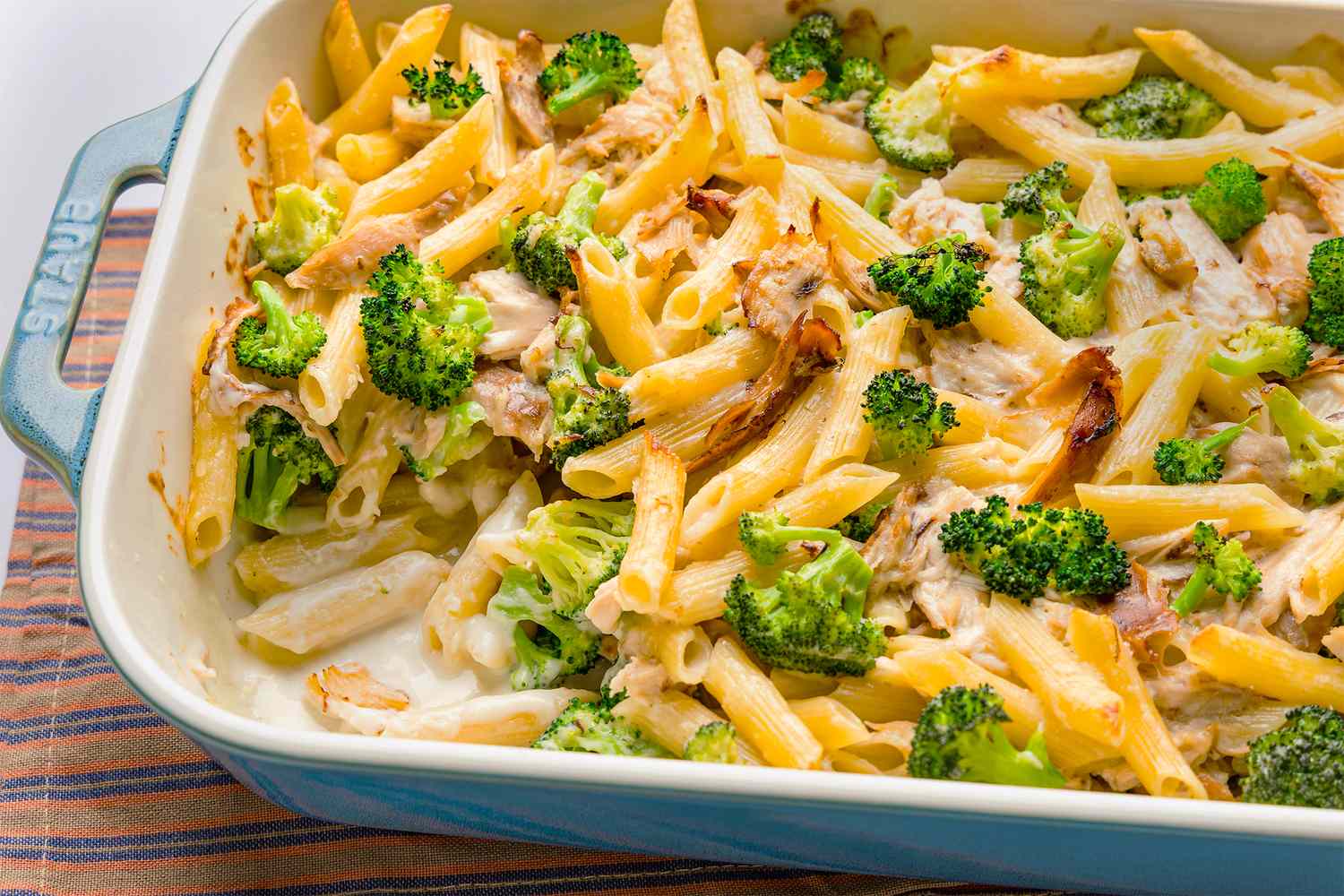
Easy Pasta Dinner: Transform Leftovers into a Tasty Meal
The art of transforming leftovers into a satisfying meal is a skill that brings both comfort and creativity to the dinner table.Easy Pasta Dinner is a delightful way to breathe new life into yesterday’s dishes, turning them into a culinary masterpiece.With a medley of robust flavors and textures, this dish offers a delightful dining experience that feels both familiar and fresh.Inspired by the frugality and ingenuity of Italian home cooks, this recipe celebrates resourcefulness and flavor.Whether you’re seeking a quick weeknight meal or a leisurely dinner, this pasta dish meets your needs with elegance and ease.
The History and Cultural Significance
• Pasta Dinner: Transform traces its origins to Italy, where it was originally created by resourceful home cooks.
• The dish evolved over decades as diverse vegetables and meats were incorporated, eventually becoming the beloved version we know today.
• In Italian culture, this dish traditionally appears at casual family gatherings, symbolizing togetherness and resourcefulness.
• While many variations exist across different regions, the authentic version maintains simplicity and freshness that sets it apart from imitations.
Recipe Overview
| Recipe Times & Servings | |
|---|---|
| ⏱️ Prep Time: | 15 minutes |
| 🔥 Cook Time: | 20 minutes |
| ⏰ Total Time: | 35 minutes |
| 👥 Servings: | 4 |
Nutritional Information (per serving)
| Nutritional Information (per serving) | |
|---|---|
| 🔥 Calories: | 450 |
| 🥩 Protein: | 15g |
| 🌾 Carbs: | 60g |
| 🥑 Fat: | 15g |
| 🌿 Fiber: | 5g |
| 🍯 Sugar: | 6g |
Essential Equipment Guide
Sauté Pan: This tool is essential for evenly cooking the sauce and ingredients, ensuring flavors meld perfectly. Non-stick alternatives work well, but a heavy-bottomed pan provides superior heat distribution.
Pasta Pot: A large pot allows pasta to cook evenly without clumping. Look for pots with a strainer lid or use a separate colander for convenience.
Wooden Spoon: This simple tool helps gently stir the pasta and sauce without damaging them. Silicone spatulas can be used as an alternative but may not offer the same tactile feedback.
Ingredients
For the Base
| Amount | Ingredient | Notes |
|---|---|---|
| 8 ounces | pasta | cooked, any variety will work |
For the Sauce
| Amount | Ingredient | Notes |
|---|---|---|
| 1 cup | leftover tomato sauce | adds richness |
| 2 tablespoons | olive oil | enhances flavor |
Vegetables
| Amount | Ingredient | Notes |
|---|---|---|
| 1 cup | mixed vegetables | chopped, pre-cooked |
Seasonings
| Amount | Ingredient | Notes |
|---|---|---|
| 1 teaspoon | salt | enhances flavor |
| 1/2 teaspoon | black pepper | adds a mild heat |
Protein
| Amount | Ingredient | Notes |
|---|---|---|
| 1 cup | leftover chicken | shredded, adds heartiness |
Preparation Methods
Emulsifying the Sauce: Emulsification involves combining oil and water-based ingredients to form a cohesive sauce. It’s crucial for achieving a smooth, rich texture in the pasta dish. Use moderate heat and constant stirring to master this technique.
Sautéing: Sautéing involves cooking ingredients quickly in a small amount of oil over high heat. This method enhances flavors and textures. Mastering the control of heat and timing is key to prevent burning.
Layering Flavors: This technique involves adding ingredients at different stages to build depth and complexity. Understanding the sequence of adding aromatics, proteins, and vegetables is crucial for maximizing flavors.
Step 1: Prepare Ingredients

Gather all ingredients and ensure they are pre-cooked if required.
Chop vegetables into uniform pieces for even cooking.
Shred any protein to allow for quick heat-through.
Measure seasonings for easy access during cooking.
Step 2: Heat the Pan

Place a sauté pan over medium heat.
Add olive oil and allow it to heat until shimmering.
Watch for the oil to swirl easily across the pan surface.
Ensure the pan is hot enough to sauté without burning.
Step 3: Sauté Vegetables

Add pre-cooked vegetables to the hot olive oil.
Sauté for 3-4 minutes until they begin to caramelize.
Stir frequently to prevent sticking and ensure even browning.
Look for a slight golden color as an indicator of readiness.
Step 4: Add Protein

Add shredded chicken to the pan with the vegetables.
Stir to combine and heat through.
Ensure chicken is evenly distributed throughout the pan.
Watch for the chicken to release its aroma as it warms.
Step 5: Incorporate Sauce

Pour leftover tomato sauce into the pan.
Stir to combine with vegetables and protein.
Allow the sauce to simmer gently.
Ensure all ingredients are evenly coated in sauce.
Step 6: Season the Dish

Add salt and black pepper to the sauce mixture.
Stir to evenly distribute the seasonings.
Taste and adjust seasoning as necessary.
Ensure a balanced flavor profile before proceeding.
Step 7: Combine with Pasta

Add cooked pasta to the pan with the sauce and ingredients.
Toss gently to combine and coat the pasta evenly.
Ensure pasta is fully incorporated into the sauce.
Look for a uniform distribution of ingredients throughout the dish.
Step 8: Final Adjustments

Allow the pasta to cook with the sauce for an additional 2-3 minutes.
Stir occasionally to prevent sticking.
Check the pasta’s texture and sauce consistency.
Make any final seasoning adjustments before serving.
Critical Timing and Temperature Guide
Heating the Pan: Heat the sauté pan to medium until oil shimmers, about 2 minutes. Avoid overheating to prevent oil from smoking.
Sautéing Vegetables: Cook vegetables over medium-high heat for 3-4 minutes until golden, stirring frequently to prevent burning.
Simmering Sauce: Maintain a gentle simmer for the sauce, around low-medium heat, to avoid scorching and ensure even heating.
Pro Tips for Pasta Dinner: Transform
• Ingredient Selection: Choose high-quality olive oil and fresh vegetables for the best flavor impact. These ingredients are crucial for the dish’s overall taste.
• Preparation Secret: Pre-cooking vegetables and proteins ensures a quicker assembly and more cohesive flavors.
• Temperature Management: Ensure all ingredients, especially leftovers, are at room temperature before cooking to promote even heating.
• Texture Enhancement: Achieve ideal pasta texture by tossing it with sauce over heat, allowing flavors to meld.
• Flavor Layering: Build flavor by adding aromatics like garlic or onions early in the cooking process.
• Make-Ahead Strategies: Prepare sauce and chop vegetables in advance, storing them in airtight containers for up to two days.
• Restaurant-Quality Finishing Touches: Garnish with freshly grated Parmesan cheese and chopped herbs for an elevated presentation.
• Equipment Optimization: Use a pasta pot with an integrated strainer for efficient cooking and draining of pasta.
Troubleshooting Common Issues
• Texture Too Mushy: Overcooked pasta can lead to a mushy texture. Cook pasta al dente and toss it with sauce just before serving to maintain firmness.
• Flavors Unbalanced: If flavors are too strong or weak, adjust seasonings gradually, tasting as you go to achieve balance.
• Sauce Too Thick: If the sauce is too thick, add a splash of pasta water to loosen it, stirring until desired consistency is reached.
• Ingredients Not Heating Evenly: Ensure ingredients are cut uniformly and at room temperature to promote even heating.
• Burnt Vegetables: Stir frequently and monitor heat to prevent vegetables from burning. Adjust heat as needed during sautéing.
Variations and Regional Differences
• Tuscan Variation: Incorporates white beans and kale, adding a hearty, rustic quality unique to the region.
• Sicilian Style: Includes capers and olives for a briny, Mediterranean flair, with a hint of chili for spice.
• American Adaptation: Often features a cream-based sauce and additional cheese, creating a richer, heavier dish.
• Vegetarian Option: Omits meat and enhances flavor with mushrooms and a variety of seasonal vegetables.
Food Science Behind the Recipe
• Emulsification: The process of combining oil and water-based components in the sauce creates a stable mixture, enhancing texture and flavor distribution.
• Maillard Reaction: Sautéing vegetables initiates the Maillard Reaction, developing complex flavors and a desirable golden color.
• Starch Release: Starch from the pasta helps thicken the sauce, creating a cohesive dish as it blends with other ingredients.
Frequently Asked Questions
What’s the most common mistake people make when preparing Easy Pasta Dinner? Overcooking the pasta is a frequent error. It’s important to cook pasta al dente and finish it in the sauce.
Can I use gluten-free pasta for this recipe? Yes, gluten-free pasta works well, though it may require adjusting cooking times for optimal texture.
How can I make this dish more kid-friendly? Use milder flavors and incorporate familiar vegetables like peas and carrots for a more appealing taste.
Is it possible to make this dish vegan? Substitute meat with plant-based proteins and ensure the sauce is vegan-friendly by checking ingredients.
What leftovers work best for this recipe? Vegetables, cooked meats, and tomato-based sauces are particularly well-suited for transformation into this dish.
How can I add more protein to the dish? Incorporate additional shredded chicken, beans, or tofu for a protein boost.
What’s the best way to store leftovers? Store in an airtight container in the refrigerator for up to three days, and reheat gently to maintain texture.
Serving and Presentation Guide
• Traditional Presentation: Serve in a shallow bowl with a sprinkle of Parmesan and a sprig of basil for classic appeal.
• Family-Style Presentation: Arrange in a large serving dish, allowing guests to serve themselves from a central platter.
• Individual Portions: Plate in smaller bowls, garnished with a drizzle of olive oil and cracked pepper for a refined touch.
• Casual Setting: Serve directly from the pan for a relaxed, rustic approach that encourages sharing.
Conclusion
Transforming leftovers into a delicious pasta dinner is both an art and a joy.This recipe empowers you to create a satisfying meal with minimal effort and maximum flavor.Embrace the creativity and resourcefulness of this dish, and enjoy the compliments from your dining companions.