Savory Carnivore Snacks: Easy Recipes for Meat Lovers
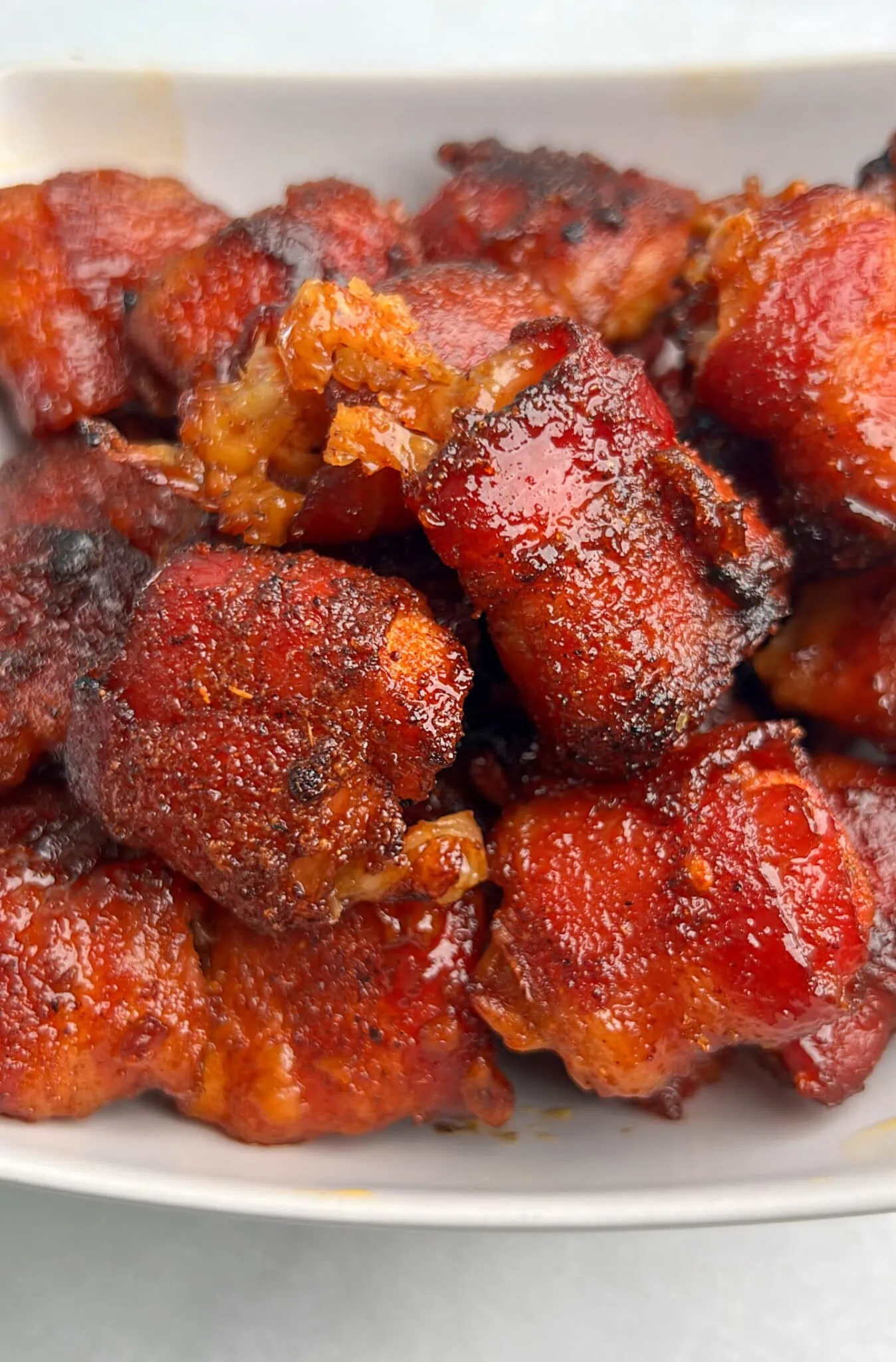
Savory Carnivore Snacks are the ultimate indulgence for meat lovers, combining bold flavors with satisfying textures.The rich, smoky notes of the meats paired with aromatic spices create an irresistible aroma.I stumbled upon these recipes during a barbecue feast in Texas, where the locals have honed the art of meat snacks to perfection.Whether you’re planning a casual get-together or a game day feast, these recipes offer mouthwatering results with minimal fuss.Dive into these easy-to-make snacks that promise to be the star of your culinary repertoire.
The History and Cultural Significance
• Savory Carnivore Snacks trace their origins to ancient Mesopotamia, where they were originally created by nomadic tribes.
• The dish evolved over decades as preservation techniques improved, eventually becoming the beloved version we know today.
• In American culture, these snacks traditionally appear at tailgating parties and barbecues, symbolizing community and celebration.
• While many variations exist across different regions, the authentic version maintains a smoky flavor that sets it apart from imitations.
Recipe Overview
| Recipe Times & Servings | |
|---|---|
| ⏱️ Prep Time: | 15 minutes |
| 🔥 Cook Time: | 25 minutes |
| ⏰ Total Time: | 40 minutes |
| 👥 Servings: | 4 |
Nutritional Information (per serving)
| Nutritional Information (per serving) | |
|---|---|
| 🔥 Calories: | 350 |
| 🥩 Protein: | 25g |
| 🌾 Carbs: | 5g |
| 🥑 Fat: | 25g |
| 🌿 Fiber: | 1g |
| 🍯 Sugar: | 2g |
Essential Equipment Guide
Cast Iron Skillet: This tool is important for achieving authentic results because it provides even heat distribution, creating a perfect sear. Alternatives include heavy-duty stainless steel pans, but look for those with a thick base to prevent warping.
Meat Thermometer: Ensures precise cooking by allowing you to check internal temperatures accurately. Alternatives include digital instant-read thermometers; look for models with a wide range and fast response.
Wire Rack: Crucial for draining excess oil, maintaining crispness. If unavailable, use a slotted spoon or paper towels, but ensure excess oil is removed to prevent sogginess.
Ingredients
For the Marinade
| Amount | Ingredient | Notes |
|---|---|---|
| 1 cup | soy sauce | adds umami depth |
| 2 tablespoons | honey | balances flavors with sweetness |
| 1 teaspoon | smoked paprika | infuses smoky flavor |
For the Meat
| Amount | Ingredient | Notes |
|---|---|---|
| 1.5 pounds | chicken thighs | boneless, skinless for easy cooking |
| 1 pound | pork belly | sliced into bite-size pieces |
Seasonings
| Amount | Ingredient | Notes |
|---|---|---|
| 1 teaspoon | black pepper | freshly ground for spice |
| 2 cloves | garlic | minced, for aromatic depth |
Preparation Methods
Marinating: This technique involves soaking the meat in a flavorful liquid to infuse it with taste. It matters because it enhances the meat’s tenderness and flavor. To master it, ensure the meat is fully submerged and marinate for at least 2 hours.
Searing: Searing involves cooking the meat at high heat to create a flavorful crust. It is crucial for locking in juices and adding texture. Mastery involves preheating the skillet and avoiding overcrowding.
Resting: Allowing meat to rest after cooking lets the juices redistribute, resulting in a moister texture. For best results, tent the meat with foil and rest it for 5 minutes before slicing.
Step 1: Prepare Ingredients

Gather all ingredients and equipment.
Ensure meats are trimmed and cut into specified sizes.
Measure out spices and seasonings accurately.
Prepare marinade by mixing soy sauce, honey, and smoked paprika.
Step 2: Marinate the Meat

Place chicken thighs and pork belly in a large zip-top bag.
Pour the marinade over the meat, ensuring even coverage.
Seal the bag and massage gently to coat the pieces.
Refrigerate for at least 2 hours or overnight for deeper flavor.
Step 3: Preheat the Skillet

Place a cast iron skillet on medium-high heat.
Allow it to heat up for about 5 minutes.
Check that the skillet is evenly heated by sprinkling a few drops of water; they should sizzle.
Prepare to sear the meat by having a spatula ready.
Step 4: Sear the Meat

Remove meat from marinade, shaking off excess liquid.
Carefully place meat pieces in the hot skillet, leaving space between them.
Cook for 3-4 minutes per side, until a golden crust forms.
Use tongs to flip the meat gently to avoid breaking the crust.
Step 5: Check Temperature

Insert a meat thermometer into the thickest part of the chicken thigh.
Ensure the internal temperature reaches 165°F.
For pork, aim for 145°F for safety and tenderness.
Adjust cooking time as needed to reach these temperatures.
Step 6: Rest the Meat

Transfer cooked meat to a wire rack to cool slightly.
Tent with aluminum foil to retain warmth.
Let rest for 5 minutes to allow juices to redistribute.
Prepare a serving platter while meat rests.
Step 7: Slice and Serve

Use a sharp knife to slice the chicken and pork into bite-sized pieces.
Arrange the slices neatly on a serving platter.
Garnish with fresh herbs or sliced green onions for added color.
Serve immediately while still warm for the best flavor.
Step 8: Clean and Store

Clean the skillet using hot water and a scrub brush.
Dry thoroughly to prevent rust.
Store any leftover meat in an airtight container.
Refrigerate leftovers promptly to maintain freshness.
Critical Timing and Temperature Guide
Searing: Sear meat for 3-4 minutes per side at medium-high heat. Look for a golden-brown crust. Avoid moving meat too early to prevent tearing.
Resting: Rest meat for 5 minutes, tented with foil, to redistribute juices. Meat should remain warm but not continue cooking.
Cooking Temperatures: Chicken should reach 165°F, pork 145°F. Use a meat thermometer for accuracy and avoid undercooking.
Pro Tips for Savory Carnivore Snacks
• Ingredient Selection: Choose organic, free-range chicken for better flavor and texture. Freshly ground black pepper enhances aroma and taste.
• Preparation Secret: Marinate meat overnight for maximum flavor absorption, a step often skipped by home cooks.
• Temperature Management: Ensure the skillet is adequately preheated for proper searing. Cold meat can lower the pan temperature significantly.
• Texture Enhancement: Use a wire rack for resting meat to prevent sogginess from trapped steam.
• Flavor Layering: Add a pinch of cayenne pepper to the marinade for a subtle heat boost that balances the sweetness of honey.
• Make-Ahead Strategies: Marinate meat up to 24 hours in advance. Store in the refrigerator to maintain freshness.
• Restaurant-Quality Finishing Touches: Drizzle a touch of fresh lemon juice over the meat before serving for a bright, fresh finish.
• Equipment Optimization: Use a meat thermometer with a digital readout for the fastest, most accurate results.
Troubleshooting Common Issues
• Texture Too Tough: Overcooking can lead to tough meat. Recognize by excessive firmness. Remedy by marinating longer for tenderness.
• Flavors Unbalanced: If too salty, reduce soy sauce in the marinade. Adjust by adding honey or lemon to balance.
• Meat Sticking to Pan: Ensure skillet is hot before adding meat. Avoid moving meat too soon after placing in the skillet.
• Undercooked Meat: Check internal temperatures with a thermometer. Cook longer if needed, and ensure even heat distribution.
• Bland Taste: Ensure adequate marinating time. Add more spices to the marinade, focusing on smoked paprika and black pepper.
• Inconsistent Searing: Overcrowding the pan leads to steaming rather than searing. Cook in batches if necessary.
Variations and Regional Differences
• Texan Style: Utilizes beef brisket instead of pork, smoked over mesquite wood for deep flavor.
• Asian Fusion: Incorporates ginger and sesame oil into the marinade, served with a spicy soy dipping sauce.
• Italian Twist: Features prosciutto-wrapped chicken, with rosemary and garlic, served with a balsamic glaze.
• Middle Eastern Influence: Uses lamb instead of chicken, seasoned with cumin and coriander, served with a yogurt dipping sauce.
Food Science Behind the Recipe
• Maillard Reaction: This chemical reaction between amino acids and reducing sugars gives the seared meat its characteristic flavor and browned crust.
• Protein Denaturation: The marinating process causes proteins to unravel and recombine, making the meat more tender and flavorful.
• Heat Transfer: Understanding heat conduction helps achieve even cooking. Cast iron skillets retain and distribute heat evenly, preventing hot spots.
Frequently Asked Questions
What’s the most common mistake people make when preparing Savory Carnivore Snacks? Overcrowding the pan, which leads to steaming instead of searing.
Can I use different meats for this recipe? Yes, you can substitute with beef or turkey, adjusting the cooking time to ensure proper doneness.
How long can I store leftovers? Leftovers can be stored in an airtight container in the refrigerator for up to 3 days.
Is it necessary to use a meat thermometer? While not strictly necessary, a thermometer ensures meat is cooked to a safe and optimal temperature.
How can I make the dish less salty? Reduce soy sauce in the marinade and balance with honey or use a low-sodium version.
What sides pair well with these snacks? Fresh salads, grilled vegetables, or a light coleslaw complement the rich flavors.
Can this recipe be made in advance? Yes, marinate the meat up to 24 hours in advance, and cook just before serving.
Serving and Presentation Guide
• Traditional Presentation: Serve on a wooden cutting board, garnished with fresh herbs and lemon wedges for color.
• Casual Gathering: Arrange on a large platter with small skewers for easy picking, accompanied by dipping sauces.
• Formal Dinner: Plate individually with a side of seasonal vegetables and a drizzle of sauce for an elegant touch.
• Party Style: Serve in small bowls with toothpicks, allowing guests to enjoy bite-sized pieces easily.
Conclusion
These Savory Carnivore Snacks are a testament to the joy of simple, flavorful cooking.
With minimal ingredients and straightforward techniques, they’re a perfect addition to any menu.
Try this recipe and discover a new favorite that will delight your taste buds and impress your guests.