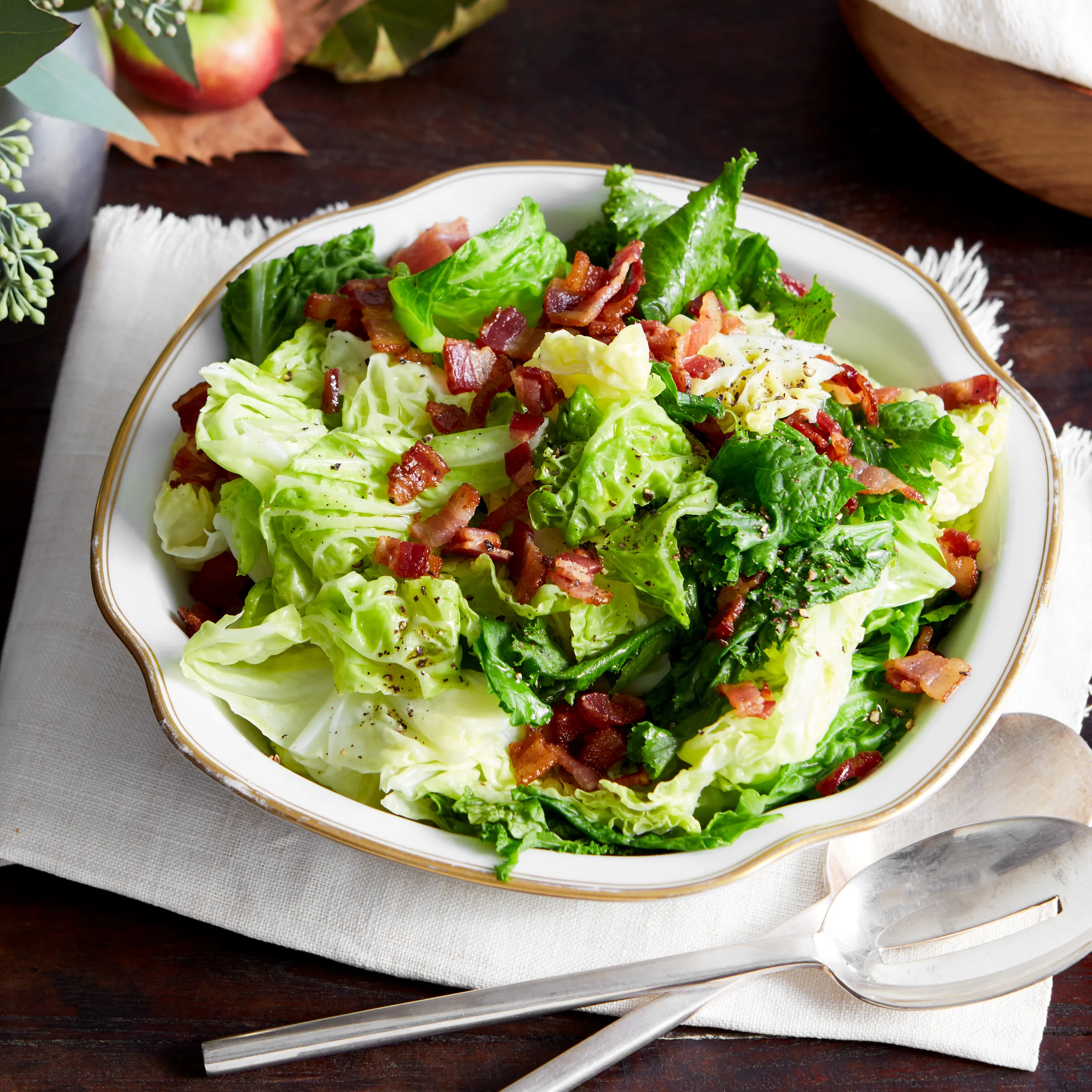
How to Make Delicious Cabbage Dinner Recipes: Quick and Easy Ideas
I discovered this delicious cabbage dinner recipe during a chilly autumn evening when fresh cabbages were in abundance at the local market.The combination of savory spices and tender cabbage creates a comforting dish that warms you from the inside out.Its appeal lies in its simplicity, making it perfect for a quick weeknight dinner or a cozy weekend meal.Whether you’re a seasoned cook or a beginner, this dish promises rewarding flavors with minimal effort.The hearty nature of cabbage paired with aromatic ingredients ensures a satisfying meal that leaves everyone craving more.
The History and Cultural Significance
• Delicious Cabbage Dinner traces its origins to Central Europe, where it was originally created by resourceful peasants in the Middle Ages.
• The dish evolved over decades as spices and additional ingredients were introduced, eventually becoming the beloved version we know today.
• In German culture, this dish traditionally appears at Oktoberfest celebrations, symbolizing abundance and community.
• While many variations exist across different regions, the authentic version maintains the use of fresh cabbage and savory spices that set it apart from imitations.
Recipe Overview
| Recipe Times & Servings | |
|---|---|
| ⏱️ Prep Time: | 15 minutes |
| 🔥 Cook Time: | 30 minutes |
| ⏰ Total Time: | 45 minutes |
| 👥 Servings: | 4 |
Nutritional Information (per serving)
| Nutritional Information (per serving) | |
|---|---|
| 🔥 Calories: | 230 |
| 🥩 Protein: | 8g |
| 🌾 Carbs: | 25g |
| 🥑 Fat: | 10g |
| 🌿 Fiber: | 7g |
| 🍯 Sugar: | 5g |
Essential Equipment Guide
Large Skillet: A large skillet is essential for evenly cooking the cabbage and other vegetables, allowing them to caramelize and develop deep flavors. A cast-iron skillet is preferred for its heat retention, but a non-stick pan can be used as an alternative.
Sharp Chef’s Knife: A sharp chef’s knife is crucial for slicing cabbage and other ingredients finely and uniformly, which ensures even cooking. Look for a balanced knife with a comfortable grip.
Wooden Spoon: A wooden spoon is ideal for stirring the dish, as it won’t scratch the skillet and helps in evenly distributing heat and seasoning. Consider a spoon with a long handle to keep your hand away from the heat.
Ingredients
For the Base
| Amount | Ingredient | Notes |
|---|---|---|
| 1 medium | cabbage | thinly sliced |
| 2 tablespoons | olive oil | for sautéing |
Vegetables
| Amount | Ingredient | Notes |
|---|---|---|
| 1 large | onion | sliced |
| 2 cloves | garlic | minced |
Seasonings
| Amount | Ingredient | Notes |
|---|---|---|
| 1 teaspoon | salt | enhances flavor |
| 1 teaspoon | black pepper | adds heat |
| 1 tablespoon | paprika | adds smokiness |
Optional Additions
| Amount | Ingredient | Notes |
|---|---|---|
| 1 cup | cooked sausage | sliced, for extra protein |
Preparation Methods
Caramelizing: Caramelizing onions and garlic is vital for building the base flavor of the dish. Cook them slowly over medium heat until golden brown, stirring frequently to prevent burning. This technique enhances sweetness and depth.
Sautéing: Sautéing the cabbage ensures it remains tender yet slightly crisp. Use medium-high heat and stir frequently to prevent sticking. This method helps retain the vegetable’s natural moisture.
Deglazing: Deglazing the pan with a splash of broth or water after sautéing helps lift flavorful bits stuck to the pan, enriching the dish. Use a wooden spoon to scrape the pan surface gently during this process.
Step 1: Prepare Ingredients

Thinly slice the cabbage and onion.
Mince the garlic cloves finely.
Ensure all ingredients are measured and ready to use.
Set aside optional additions like cooked sausage if using.
Step 2: Heat the Skillet

Place a large skillet over medium heat.
Add olive oil and let it warm up.
Wait until the oil is shimmering before adding ingredients.
This step ensures even cooking and prevents sticking.
Step 3: Caramelize the Onions

Add sliced onions to the hot skillet.
Stir occasionally until onions are golden brown.
This process should take about 10 minutes.
Avoid high heat to prevent burning.
Step 4: Add Garlic

Add minced garlic to the skillet with the onions.
Stir quickly to avoid burning the garlic.
Cook until fragrant, about 1-2 minutes.
This step enhances the aromatic profile of the dish.
Step 5: Sauté the Cabbage

Add the sliced cabbage to the skillet.
Stir to combine with onions and garlic.
Cook until cabbage is tender but still crisp, about 10 minutes.
Stir frequently to ensure even cooking.
Step 6: Season the Dish

Sprinkle salt, pepper, and paprika over the cabbage mixture.
Stir well to distribute the seasonings evenly.
Taste and adjust seasonings as needed.
This step builds the dish’s flavor complexity.
Step 7: Optional Additions

If using, add sliced cooked sausage to the skillet.
Stir to combine with the cabbage and seasonings.
Cook until the sausage is heated through, about 3 minutes.
This addition provides extra protein and flavor.
Step 8: Deglaze the Pan

Add a splash of broth or water to the skillet.
Use a wooden spoon to scrape any browned bits from the bottom.
This step enhances the dish’s flavor by incorporating fond.
Allow the liquid to reduce slightly.
Step 9: Final Adjustments

Check the seasoning one last time.
Add more salt or pepper if necessary.
Ensure all ingredients are well combined and heated through.
This ensures a balanced and flavorful dish.
Step 10: Serve Hot

Transfer the cabbage dish to a serving platter.
Garnish with fresh herbs like parsley if desired.
Serve immediately while hot and flavorful.
Enjoy the dish with crusty bread or as a side.
Critical Timing and Temperature Guide
Caramelizing Onions: Cook onions over medium heat for about 10 minutes until golden brown. Look for a rich, brown color without burning. Avoid high heat which can cause bitter flavors.
Sautéing Cabbage: Sauté cabbage over medium-high heat for about 10 minutes until tender but still crisp. Visual indicators include slight wilting and vibrant color. Overcooking results in mushy texture.
Deglazing: Deglaze the pan immediately after sautéing, using medium heat. The liquid should reduce slightly but not completely evaporate. Avoid adding too much liquid, which dilutes flavors.
Pro Tips for Delicious Cabbage Dinner
• Ingredient Selection: Choose fresh cabbage with tightly packed leaves and vibrant color for the best texture and flavor.
• Preparation Secret: Let sliced cabbage sit for a few minutes before cooking to enhance its natural sweetness.
• Temperature Management: Ensure the skillet is sufficiently hot before adding cabbage to achieve a perfect sauté without steaming.
• Texture Enhancement: Avoid overcrowding the skillet, which can lead to steaming instead of sautéing, resulting in a soggy texture.
• Flavor Layering: Add spices in stages; starting with onions, then cabbage, for a more complex taste.
• Make-Ahead Strategies: Prepare and slice all vegetables in advance, storing them in airtight containers in the fridge for up to 24 hours.
• Restaurant-Quality Finishing Touches: Finish the dish with a drizzle of extra virgin olive oil and a sprinkle of fresh parsley for a burst of flavor.
• Equipment Optimization: Use a lid on the skillet briefly if cabbage isn’t softening, but remove it to finish cooking and enhance texture.
Troubleshooting Common Issues
• Texture Too Soggy: Overcrowding the skillet can cause steaming. Use a larger skillet or cook in batches to maintain a sautéed texture.
• Flavors Unbalanced: If flavors are too strong, balance them with a splash of lemon juice or a pinch of sugar.
• Cabbage Burning: Stir frequently and ensure the heat isn’t too high. If needed, lower the heat slightly and add a bit of water.
• Onions Undercooked: Ensure onions are cooked until golden before adding garlic and cabbage, as undercooked onions can be harsh.
• Dish Too Bland: Reassess seasoning levels. Add more salt, pepper, and spices gradually, tasting as you go.
• Garlic Burning: Add garlic towards the end of onion caramelization to prevent burning, which causes bitterness.
Variations and Regional Differences
• German Sauerkraut Style: This version includes fermented cabbage, typically served with sausages and potatoes, highlighting a tangy flavor profile.
• Asian Stir-Fry: Incorporates soy sauce, ginger, and sesame oil, offering a unique twist with an umami-rich taste.
• Eastern European Cabbage Rolls: Cabbage leaves are stuffed with a mixture of rice and meat, then baked, creating a hearty and comforting dish.
• Southern US Style: Features bacon and vinegar, delivering a sweet and tangy balance with a smoky undertone.
Food Science Behind the Recipe
• Maillard Reaction: Responsible for the browning and flavor development in caramelized onions, enhancing sweetness and aroma.
• Cellular Structure of Cabbage: Cooking breaks down the rigid cell walls, releasing natural sugars and creating a tender texture.
• Emulsification: When deglazing, the combination of fat and liquid creates a sauce that coats the ingredients, enhancing flavor distribution.
Frequently Asked Questions
What’s the most common mistake people make when preparing cabbage dishes? Overcrowding the pan, leading to steaming instead of sautéing, which affects texture.
Can I use red cabbage instead of green? Yes, but keep in mind that red cabbage has a slightly different flavor and will change the color of the dish.
How can I make this dish vegetarian? Simply omit the sausage and consider adding cooked chickpeas for protein.
What other seasonings can enhance this dish? Try adding caraway seeds or a dash of nutmeg for additional depth.
Is it necessary to use fresh cabbage? Fresh cabbage is recommended for optimal texture and flavor, but frozen can be used in a pinch.
How do I store leftovers? Store in an airtight container in the refrigerator for up to 3 days. Reheat gently to retain moisture.
Can this dish be frozen? Yes, freeze in portioned containers, but note that texture may slightly change upon reheating.
Serving and Presentation Guide
• Traditional Presentation: Serve hot on a large platter, garnished with fresh parsley, accompanied by crusty bread.
• Family-Style: Present in a large bowl for sharing, with serving spoons and side condiments available.
• Individual Plates: Arrange the cabbage dish neatly on individual plates, with a sprinkle of paprika for color.
• Gourmet Style: Use a ring mold to shape servings for an elegant touch, garnished with microgreens or edible flowers.
Conclusion

Embrace the simplicity and comfort of this delicious cabbage dinner recipe in your next meal.With its rich flavors and satisfying texture, it’s sure to become a household favorite.Don’t hesitate to experiment with variations to make it your own.Share this hearty dish with loved ones for a memorable dining experience.