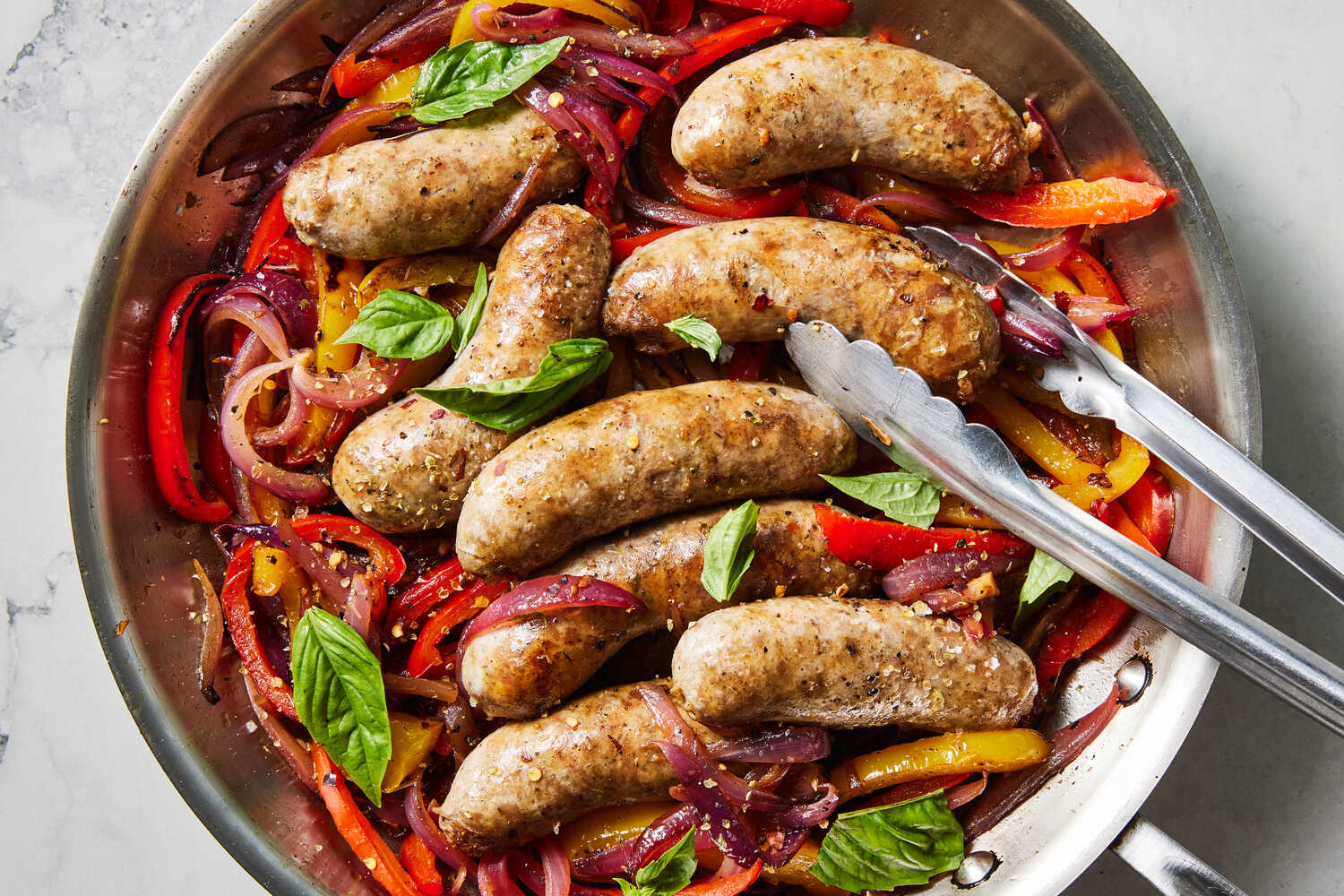
Quick and Flavorful ground sausage recipe for dinner

The quick and flavorful ground sausage recipe for dinner is a delightful blend of savory spices and hearty textures.It provides a comforting meal that can be made swiftly, perfect for busy weeknights.
The combination of spices and herbs creates a burst of flavors that dance on your palate.
This recipe is versatile enough to be adapted for different dietary preferences or ingredient availabilities.Whether you’re a seasoned cook or a beginner, this dish promises a satisfying experience.
Its simplicity doesn’t compromise on taste, ensuring a memorable dining moment every time.
The History and Cultural Significance
• Ground sausage traces its origins to European regions, notably in Italy and Germany, where it was originally created by local butchers.
• The dish evolved over decades as spices and herbs were introduced, eventually becoming the beloved version we know today.
• In Italian culture, this dish traditionally appears at family gatherings, symbolizing unity and warmth.
• While many variations exist across different regions, the authentic version maintains a rich, savory flavor profile that sets it apart from imitations.
Recipe Overview
| Recipe Times & Servings | |
|---|---|
| ⏱️ Prep Time: | 10 minutes |
| 🔥 Cook Time: | 20 minutes |
| ⏰ Total Time: | 30 minutes |
| 👥 Servings: | 4 |
Nutritional Information (per serving)
| Nutritional Information (per serving) | |
|---|---|
| 🔥 Calories: | 350 |
| 🥩 Protein: | 15g |
| 🌾 Carbs: | 10g |
| 🥑 Fat: | 28g |
| 🌿 Fiber: | 2g |
| 🍯 Sugar: | 1g |
Essential Equipment Guide
Non-stick Skillet: A non-stick skillet is essential for cooking sausage evenly without sticking, ensuring a perfect sear. Alternatives like a cast-iron skillet can work, but require more oil.
Wooden Spoon: Ideal for breaking up the sausage while cooking without damaging the skillet’s surface. Look for a spoon with a comfortable grip.
Meat Thermometer: Ensures the sausage is cooked to the safe internal temperature of 160°F. Digital thermometers provide quick, accurate readings.
Ingredients
For the Base
| Amount | Ingredient | Notes |
|---|---|---|
| 1 pound | ground sausage | provides rich, savory flavor |
| 1 tablespoon | olive oil | for sautéing |
Vegetables
| Amount | Ingredient | Notes |
|---|---|---|
| 1 medium | onion | finely chopped |
| 2 cloves | garlic | minced |
Seasonings
| Amount | Ingredient | Notes |
|---|---|---|
| 1 teaspoon | Italian seasoning | adds depth of flavor |
| 1/2 teaspoon | red pepper flakes | for a hint of heat |
| 1 pinch | salt | enhances overall taste |
Preparation Methods
Browning: Browning the sausage is crucial for developing flavor. It involves cooking the sausage until it’s golden brown, which enhances its taste and texture. Use medium-high heat and avoid overcrowding the pan.
Sautéing: This technique gently cooks the onions and garlic, releasing their natural sweetness and aroma. Maintain a low heat to avoid burning.
Deglazing: After browning, deglaze the pan with a splash of liquid to lift the flavorful bits stuck to the bottom. This enriches the sauce, adding a complex, savory note.
Step 1: Prepare Ingredients

Gather all ingredients and equipment before starting.
Chop the onion and mince the garlic.
Measure out the olive oil and seasonings.
Ensure the sausage is defrosted if previously frozen.
Step 2: Heat the Skillet

Place a non-stick skillet over medium-high heat.
Add the olive oil and allow it to heat until shimmering.
Ensure the oil coats the bottom of the skillet evenly.
This step prepares the skillet for browning the sausage.
Step 3: Brown the Sausage

Add the ground sausage to the skillet.
Break it up with a wooden spoon into smaller pieces.
Cook until the sausage is evenly browned, about 5-7 minutes.
Stir occasionally to prevent sticking.
Step 4: Sauté the Onions and Garlic

Push the browned sausage to one side of the skillet.
Add the chopped onions and minced garlic to the empty side.
Sauté until the onions are translucent and fragrant, about 3 minutes.
Ensure they do not burn by stirring frequently.
Step 5: Combine Ingredients

Mix the sautéed onions and garlic with the browned sausage.
Ensure the ingredients are evenly distributed throughout the skillet.
This step allows the flavors to meld together.
Check for any large sausage pieces and break them up.
Step 6: Add Seasonings

Sprinkle Italian seasoning and red pepper flakes over the mixture.
Stir well to incorporate the spices throughout.
Taste and adjust salt as needed.
The seasonings enhance the flavor profile of the dish.
Step 7: Deglaze the Pan

Increase the heat to high briefly.
Add a splash of water or broth to the skillet.
Scrape the bottom of the skillet to lift any browned bits.
This step enriches the flavor and adds a slight sauce to the dish.
Step 8: Final Cook and Serve

Reduce heat and let the mixture simmer for a few more minutes.
Check the sausage for doneness using a meat thermometer.
Ensure the internal temperature reaches 160°F.
Serve hot with your choice of sides.
Critical Timing and Temperature Guide
Browning Sausage: Cook sausage for 5-7 minutes over medium-high heat until golden brown. Avoid overcrowding the pan to ensure even cooking.
Sautéing Aromatics: Sauté onions and garlic on medium-low heat for 3 minutes until translucent. Do not let them brown, as this can add bitterness.
Final Simmer: Let the mixture simmer for 3-5 minutes after deglazing. Look for a slight thickening of the sauce and ensure all ingredients are well combined.
Pro Tips for Quick and Flavorful Ground Sausage
• Ingredient Selection: Choose high-quality ground sausage with a good fat-to-meat ratio for optimal flavor and juiciness.
• Preparation Secret: Let the sausage sit at room temperature for 10 minutes before cooking to ensure even browning.
• Temperature Management: Keep the skillet at medium-high heat for browning, then reduce to medium-low for sautéing aromatics.
• Texture Enhancement: Use a wooden spoon to break up the sausage into small, even pieces for uniform texture.
• Flavor Layering: Add a pinch of freshly ground black pepper at the end for an extra layer of complexity.
• Make-Ahead Strategies: Prepare the sausage mixture up to a day in advance and store in an airtight container in the refrigerator.
• Restaurant-Quality Finishing Touches: Garnish with fresh parsley or basil before serving for a pop of color and freshness.
• Equipment Optimization: Preheat the skillet properly to ensure the sausage doesn’t stick and browns evenly.
Troubleshooting Common Issues
• Texture Too Dense: Caused by overcrowding the skillet or not breaking up the sausage enough. Ensure even distribution and use a larger skillet if necessary.
• Flavors Unbalanced: Can occur if seasonings are not adequately mixed. Taste and adjust spices, especially salt and pepper, during the cooking process.
• Sausage Sticking to Pan: Often due to insufficient oil or low-quality skillet. Ensure the skillet is well coated with oil and preheated properly.
• Onions Burning: Typically a result of too high heat. Lower the heat and stir frequently to prevent burning.
• Insufficient Sauce: If the dish is too dry, add a little more liquid when deglazing to create a slight sauce.
• Overcooked Sausage: Occurs if cooked at too high a temperature for too long. Monitor internal temperature and reduce heat once browned.
Variations and Regional Differences
• Italian Style: Incorporates fennel seeds and sweet basil, often served with pasta or polenta.
• German Style: Features caraway seeds and is traditionally served with sauerkraut.
• Spanish Variation: Uses paprika and garlic, typically served with potatoes or in a stew.
• American Southern: Includes sage and black pepper, often served with biscuits and gravy.
Food Science Behind the Recipe
• Browning Reaction: Known as the Maillard reaction, this process enhances flavor through chemical reactions between amino acids and reducing sugars.
• Flavor Extraction: Sautéing onions and garlic releases essential oils that enhance the overall flavor profile.
• Deglazing Technique: Lifts caramelized bits from the pan, enriching the sauce with intensified flavors from the cooking process.
Frequently Asked Questions
What’s the most common mistake people make when preparing ground sausage? Overcrowding the pan, which prevents proper browning.
Can I use a different type of sausage? Yes, adjust seasonings accordingly to complement the sausage type.
Is it necessary to use a meat thermometer? It’s highly recommended to ensure the sausage is safely cooked.
How can I make this dish spicier? Increase the amount of red pepper flakes or add chopped fresh chili.
Can this recipe be doubled? Yes, but use a larger skillet or cook in batches to maintain quality.
What’s the best side dish to serve with this? Mashed potatoes or a fresh garden salad complement the dish well.
How can I store leftovers? Refrigerate in an airtight container for up to 3 days or freeze for up to 2 months.
Serving and Presentation Guide
• Traditional Presentation: Serve on a large platter, garnished with fresh herbs and accompanied by crusty bread.
• Modern Twist: Plate individually with a side of roasted vegetables for a balanced meal.
• Family Style: Serve in a large bowl in the center of the table, allowing guests to help themselves.
• Elegant Serving: Use white plates for contrast and add a drizzle of balsamic glaze for visual appeal.
Conclusion
This quick and flavorful ground sausage recipe for dinner is a surefire way to impress your family and friends.Its simplicity, combined with the depth of flavors, makes it a perfect choice for any occasion.Give it a try and enjoy the delightful experience of creating and savoring this comforting dish.