Burrata Tomato Appetizer: No-Cook, No-Stress, Absolutely No Excuses Not to Make This
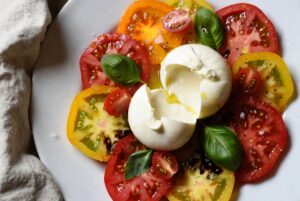
Some recipes require technique, patience, and years of kitchen experience. This is not one of those recipes. Burrata and tomato is the dish that walks into the room, says absolutely nothing, and still manages to be the most attractive thing there. You slice some tomatoes, tear open a ball of burrata, drizzle on good olive oil, scatter a few basil leaves, and suddenly you look like someone who just got back from a culinary tour of the Amalfi Coast. No oven required. No fancy equipment needed. No cooking at all, actually—just assembling beautiful ingredients and letting them do all the heavy lifting for you. It’s the appetizer equivalent of showing up in a great outfit and doing zero other prep work. Effortless, gorgeous, and completely unfair to every other dish on the table.
Quick Look of the Recipe
| 🎯 Skill Level | ⏱️ Prep Time | 🔥 Cook Time | ⏰ Total Time |
|---|---|---|---|
| Very Easy | 10 minutes | None | 10 minutes |
| 🍽️ Servings | 📋 Course | 🌍 Cuisine | 🔢 Calories |
|---|---|---|---|
| 4–6 people | Appetizer | Italian | ~210 kcal/serving |
Why This Recipe is Awesome
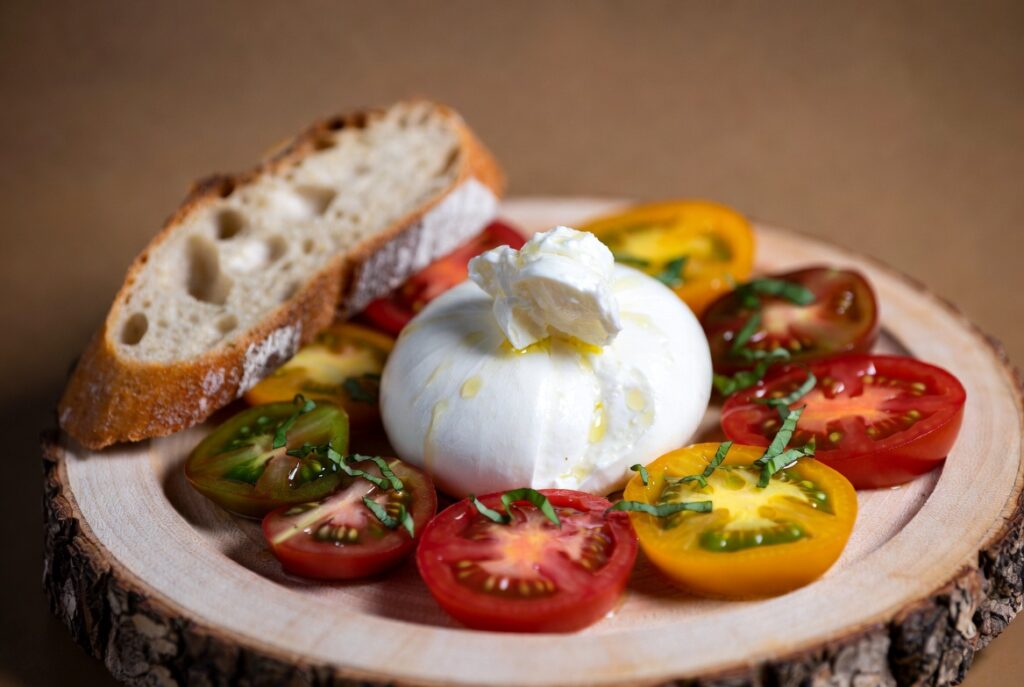
Let’s be completely transparent about something: this dish has absolutely no right to be as impressive as it is given how little work goes into making it. And yet, here we are.
It requires zero cooking. Not “minimal cooking.” Zero. You are assembling ingredients on a plate. That’s it. And the result looks like something from a restaurant that has a waitlist.
The ingredient quality does all the work for you. This is one of those recipes where buying good stuff matters more than having good technique. Get ripe tomatoes, fresh burrata, and excellent olive oil and the dish practically makes itself.
It’s ready in ten minutes flat. Not “ten minutes if everything goes perfectly.” Actually ten minutes, every time, with zero risk of anything going wrong. What could even go wrong? You’re placing cheese next to tomatoes.
It’s universally loved. Vegetarian, gluten-free, and somehow manages to satisfy both the “I eat clean” crowd and the “give me all the cheese” crowd simultaneously. A rare achievement.
The combination of creamy, rich burrata against bright, acidic tomatoes with good olive oil and fresh basil is one of those flavor combinations that just makes complete sense—like it was always meant to exist together.
Ingredients You’ll Need
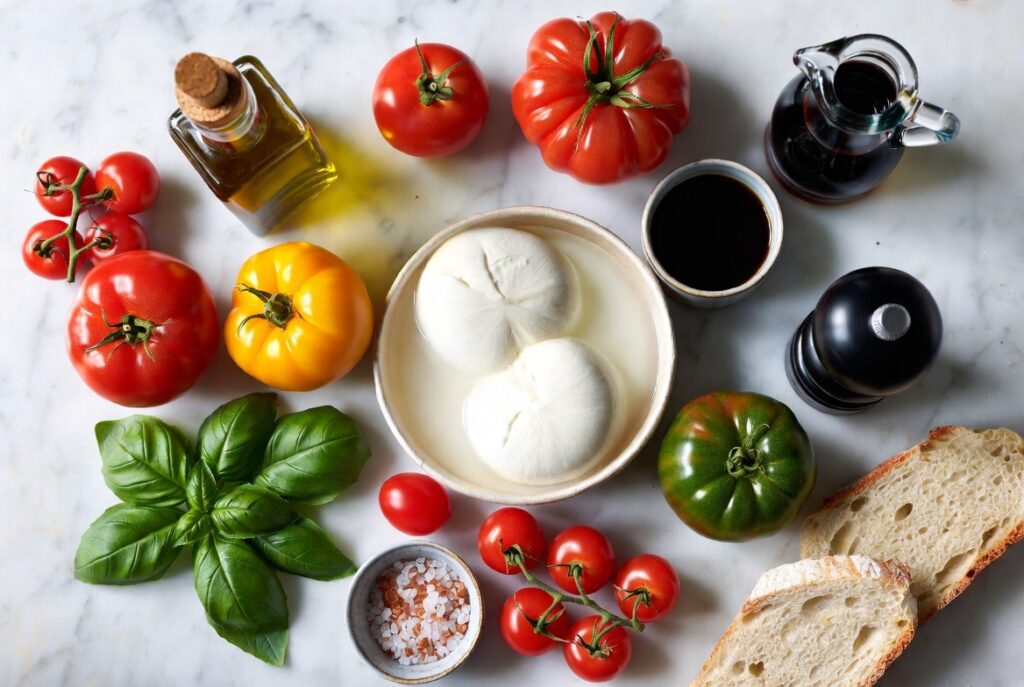
- ☐ 2 balls of fresh burrata (4 oz each) — the crown jewel; buy the freshest you can find, stored in water
- ☐ 4–5 ripe heirloom or vine tomatoes — ripe, colorful, and flavorful; this is not the time for pale winter tomatoes
- ☐ 1 cup cherry or grape tomatoes, halved — for variety in texture and a pop of color
- ☐ 3–4 tablespoons extra virgin olive oil — the good bottle, not the one you’ve been cooking with for two years
- ☐ 1 tablespoon balsamic glaze — optional but adds a beautiful sweet-tangy depth
- ☐ Fresh basil leaves, generous handful — absolutely essential; dried basil is not a substitute here, don’t do it
- ☐ Flaky sea salt — Maldon or similar; this finishing salt makes a noticeable difference
- ☐ Freshly cracked black pepper — fresh cracked only, please
- ☐ Optional: 1 teaspoon red pepper flakes — for a subtle kick that takes the whole thing up a notch
- ☐ Crusty bread or crostini for serving — because someone needs to soak up all that gorgeous olive oil and tomato juice
Recommended Tools
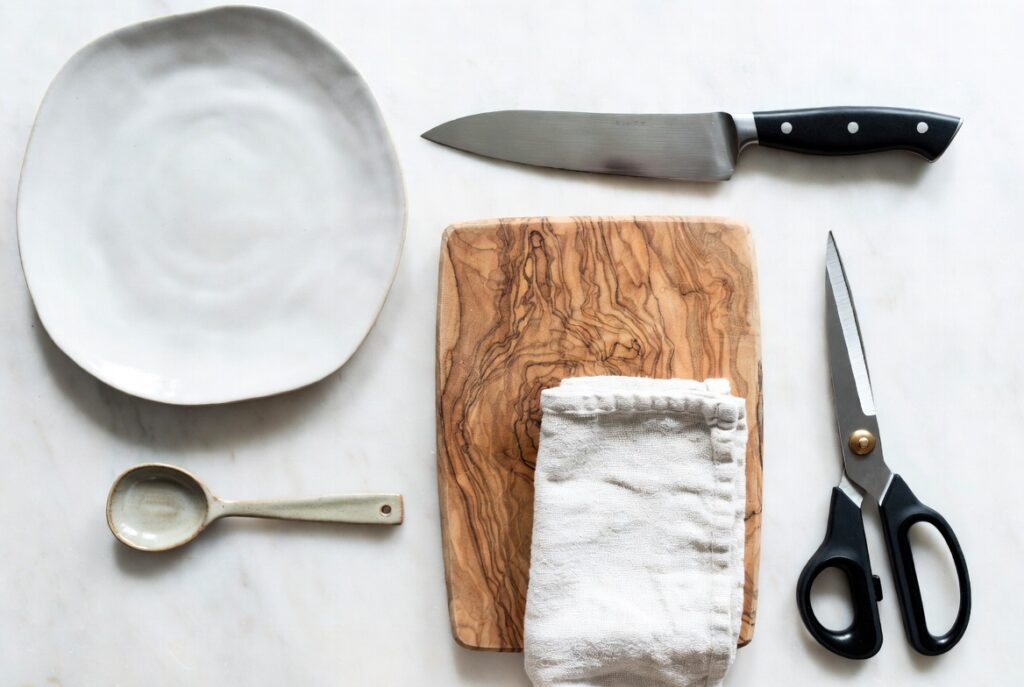
- Large flat serving plate or shallow bowl — presentation matters and a beautiful wide plate gives you room to arrange everything properly
- Sharp knife — for slicing tomatoes cleanly without crushing them and bruising the flesh
- Cutting board — your reliable prep base
- Small spoon — for drizzling olive oil and balsamic glaze with some level of control
- Kitchen scissors — optional but fantastic for snipping fresh basil directly over the plate without bruising the leaves
- Paper towels — for patting the burrata dry after removing it from its liquid
Step-by-Step Instructions
- Remove the burrata from the fridge 20–30 minutes before serving. This is the single most important step people skip. Cold burrata straight from the fridge is firm, less creamy, and the flavors are muted. Room temperature burrata is soft, luscious, and opens up beautifully. Don’t skip this.
- Slice your large tomatoes and halve your cherry tomatoes. Aim for slices about ½ inch thick for the large tomatoes—thick enough to hold their shape and texture on the plate. If your tomatoes are really ripe and juicy, slice them just before assembling so they don’t waterlog your plate.
- Arrange the tomatoes on your serving plate. Lay the large slices first in a loose, slightly overlapping pattern, then scatter the halved cherry tomatoes around and between them. Don’t be too perfect—rustic and generous looks far better than rigid and geometric for this dish.
- Place the burrata balls on top of the tomatoes. Set them right in the center or nestle one on each side depending on your plate size. Pat them gently dry with a paper towel first to remove excess liquid. Leave them whole for now—you’ll tear or cut into them at the table for full dramatic effect.
- Season everything generously. Drizzle olive oil over the entire plate—be generous, this is not the time for restraint. Add flaky sea salt and freshly cracked black pepper over everything, including directly on the burrata. Drizzle balsamic glaze in a loose pattern if using.
- Add the basil and serve immediately. Tear large basil leaves by hand and scatter them across the plate. Add red pepper flakes if using. Bring it straight to the table, tear into that burrata dramatically in front of your guests, and watch the creamy center spill out over the tomatoes. That moment alone is worth the whole dish.
Nutrition Facts
Burrata Tomato Appetizer Serving Size: ~1/2 burrata ball + tomatoes + oil | Servings Per Recipe: 4–6
| Nutrient | Amount Per Serving |
|---|---|
| Calories | 210 kcal |
| Total Fat | 17g |
| — Saturated Fat | 8g |
| — Trans Fat | 0g |
| Cholesterol | 30mg |
| Sodium | 290mg |
| Total Carbohydrates | 7g |
| — Dietary Fiber | 1.5g |
| — Total Sugars | 5g |
| Protein | 9g |
| Calcium | 200mg |
| Vitamin C | 18mg |
| Iron | 0.6mg |
Values are estimates based on standard ingredients and portion sizes.
Recipe Variations
- Roasted Tomato Burrata: Instead of fresh raw tomatoes, roast cherry tomatoes at 400°F with olive oil, garlic, and thyme for 20–25 minutes until blistered and caramelized. The concentrated sweetness and slight char against creamy burrata is an entirely different and equally stunning experience—especially good in the colder months when fresh tomatoes aren’t at their peak.
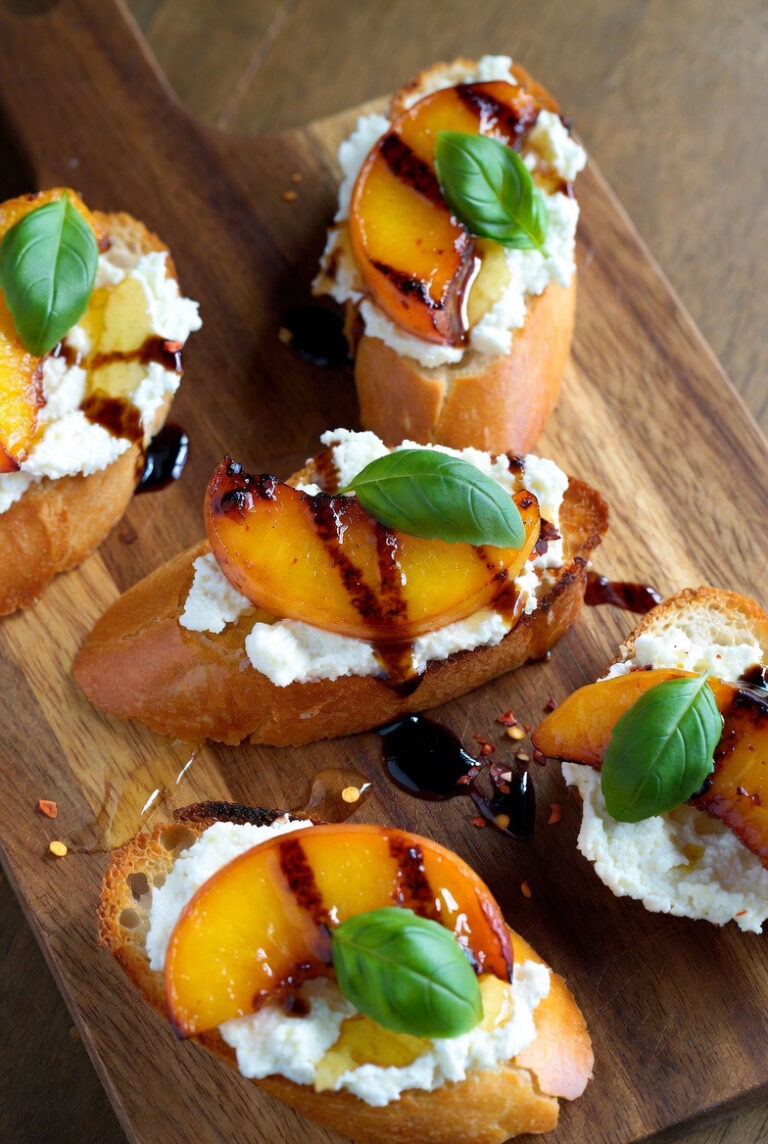
- Burrata with Peach and Tomato: Slice ripe peaches and layer them alongside the tomatoes for a sweet, summery version that feels both unexpected and completely natural. Add a drizzle of honey instead of balsamic and finish with fresh mint instead of basil. Stunning for summer entertaining.
- Spicy Calabrian Chili Burrata: Stir a tablespoon of Calabrian chili paste or finely chopped fresh chili into the olive oil before drizzling. The heat cuts through the richness of the burrata in the most satisfying way and gives the whole dish a bold, spicy edge that makes it genuinely addictive.
Explore Similar Recipes
- Brie Appetizer Recipes: One Cheese, Endless Ways to Wow a Crowd
- Brie Puff Pastry Appetizer: The Golden, Flaky, Oozy Thing That Steals Every Party
- Brie Cranberry Appetizer: The Festive, Fancy-Looking Thing You Made in Twenty Minutes

- Baked Brie Appetizer: The Warm, Melty Thing Everyone Rushes the Table For

- Peach Burrata Appetizer: The Summer Plate That Makes Everyone Stop Mid-Conversation
- Burrata Tomato Appetizer: No-Cook, No-Stress, Absolutely No Excuses Not to Make This
Recommended Ways to Serve
- As a standalone appetizer with crusty bread: Place the platter in the center of the table with a sliced sourdough or baguette alongside, let everyone tear in together, and soak up all that glorious olive oil and tomato juice with the bread. It’s communal, casual, and completely delicious.
- As part of an antipasto spread: Pair the burrata and tomato plate alongside a selection of cured meats, marinated olives, grilled vegetables, and focaccia for a full Italian-style spread that requires almost no cooking and impresses absolutely everyone.
- Plated individually as a dinner party starter: For a more formal presentation, assemble individual portions on small plates with one burrata ball per person, a neat arrangement of tomatoes, a precise drizzle of oil and balsamic, and a single beautiful basil sprig. Elegant, restaurant-worthy, and still effortless.
Storing and Reheating Guidelines
- Serve it fresh, always: Burrata tomato is a dish that lives in the moment. Assembled plates don’t store well—the tomatoes release water, the basil wilts, and the burrata loses its fresh creaminess. Always assemble right before serving and never in advance.
- Storing components separately: If you have leftover ingredients, store uncut tomatoes at room temperature (never in the fridge—cold kills tomato flavor) and keep unopened burrata in its liquid in the fridge for up to 2 days past the purchase date.
- Leftover assembled salad: If you somehow end up with leftovers, store them covered in the fridge for up to one day. The texture won’t be the same, but the flavors actually meld nicely overnight. Bring it back to room temperature before eating and refresh with a new drizzle of olive oil.
Common Mistakes to Avoid & Fixes
| ❌ Mistake | ✅ Fix |
|---|---|
| Using cold burrata straight from the fridge | Always bring it to room temperature 20–30 minutes before serving. Cold burrata is firm, dense, and nowhere near as creamy as it should be. This single step makes an enormous difference. |
| Using under-ripe or out-of-season tomatoes | This dish lives or dies on tomato quality. Use ripe, in-season tomatoes whenever possible. If it’s not tomato season, roast cherry tomatoes instead—they concentrate in flavor and save the whole dish. |
| Skimping on the olive oil | Be generous. A light drizzle is not enough—you need a proper pour that pools slightly around the tomatoes. The olive oil is not a garnish here; it’s a foundational flavor component. |
| Using dried basil instead of fresh | Please don’t do this. Dried basil has a completely different flavor profile and will make the dish taste like jarred pasta sauce. Fresh basil only, always, full stop. |
| Assembling too far in advance | Tomatoes release liquid as they sit, which waterlogged the plate and dilutes the olive oil. Assemble this dish right before you serve it—maximum 10–15 minutes ahead. |
| Refrigerating your tomatoes | Cold kills tomato flavor stone dead. Store your tomatoes at room temperature until you’re ready to use them. A cold, flavorless tomato next to beautiful burrata is a crime and you’re better than that. |
Alternatives & Substitutions
- No burrata? Fresh mozzarella is the classic substitute. It won’t have the same creamy, molten center, but the flavor profile is similar and it still makes a beautiful dish. IMO, if you can find burrata, always choose burrata—the texture difference is significant and worth seeking out.
- No balsamic glaze? Make a quick reduction. Simmer regular balsamic vinegar in a small pan for 8–10 minutes until it thickens and coats a spoon. It’ll be slightly less sweet but equally delicious. Alternatively, a drizzle of good aged balsamic works perfectly without reducing.
- No fresh basil? Fresh mint or arugula work as alternatives. Mint gives a cooler, more refreshing finish while arugula adds a peppery bite that plays beautifully against the sweet tomatoes and creamy cheese. Both are legitimate choices with distinct results.
- No heirloom tomatoes? Cherry tomatoes alone are perfectly fine. Halved cherry tomatoes actually work beautifully as the sole tomato component—they’re reliably sweet and flavorful even when larger tomatoes aren’t at their best.
- Want to add protein? Layer thin slices of prosciutto or bresaola under the tomatoes before adding the burrata. The salt-cured meat adds a savory depth that makes the dish feel more substantial without changing the fundamental character.
- Gluten-free? The dish itself is naturally gluten-free—just serve with gluten-free crackers or skip the bread entirely. It stands completely on its own without any dipper.
FAQ (Frequently Asked Questions)
Q. What exactly is burrata and how is it different from mozzarella? Ans: Great question. Burrata is essentially a ball of fresh mozzarella that’s been formed into a pouch and filled with a mixture of cream and soft curd called stracciatella. When you tear it open, the creamy center spills out—that’s the whole magic of the ingredient. Mozzarella is firm and uniform all the way through. Burrata has a surprise inside. That surprise is why everyone loves it.
Q. Does this dish need to be cooked at all? Ans: Not even slightly. This is a fully no-cook recipe. You’re assembling fresh ingredients and relying entirely on their quality and flavor to do the work. If someone tells you to cook anything for this dish, they’re overcomplicating it.
Q. Can I use any type of tomato for this recipe? Ans: You can use any ripe, flavorful tomato—but this is genuinely a case where variety matters. Heirloom tomatoes in different colors make the plate visually stunning. A mix of large sliced tomatoes and halved cherry tomatoes gives you both visual variety and textural contrast. What you absolutely cannot use is a pale, hard, flavorless tomato. That will let everyone down.
Q. How far in advance can I prep this dish? Ans: Realistically, slice and arrange the tomatoes up to 15 minutes before serving. Don’t add the burrata, olive oil, or basil until right before it goes to the table. The moment the tomatoes sit in olive oil and the basil starts to wilt, the clock is ticking on peak quality.
Q. What does burrata taste like if I’ve never had it before? Ans: Imagine the mildest, creamiest, freshest dairy flavor you can think of—clean, slightly milky, with a very subtle tang. The outside has the slight chew of fresh mozzarella and the inside is pure, flowing cream. It’s rich without being heavy, and it pairs with almost any savory or sweet flavor you put next to it.
Q. Is burrata healthy? Ans: It’s a fresh cheese made with cream, so it’s not exactly a diet food—but it’s also not processed or artificial. It’s rich in calcium and protein, and because the flavor is so satisfying, a small amount goes a long way. FYI, everything in moderation applies here, but don’t let anyone make you feel bad about burrata. Life is short.
Q. What wine pairs best with this dish? Ans: A crisp, light Italian white is the natural choice—Pinot Grigio, Vermentino, or a light Soave all work beautifully. The acidity in the wine mirrors the acidity in the tomatoes and cuts through the richness of the burrata perfectly. If you prefer red, a very light, chilled Lambrusco is a fun and unexpected pairing that actually works really well.
Latest Articles
-
Brie Appetizer Recipes: One Cheese, Endless Ways to Wow a Crowd
-
Brie Puff Pastry Appetizer: The Golden, Flaky, Oozy Thing That Steals Every Party
-
Brie Cranberry Appetizer: The Festive, Fancy-Looking Thing You Made in Twenty Minutes
-
Baked Brie Appetizer: The Warm, Melty Thing Everyone Rushes the Table For
-
Peach Burrata Appetizer: The Summer Plate That Makes Everyone Stop Mid-Conversation
-
Burrata Tomato Appetizer: No-Cook, No-Stress, Absolutely No Excuses Not to Make This
Final Thoughts
Burrata and tomato is one of those recipes that reminds you cooking doesn’t have to be complicated to be extraordinary. Sometimes the best thing you can do is get out of the way of great ingredients and let them shine. Ripe tomatoes, fresh burrata, good olive oil, basil—that’s genuinely all you need to put something on the table that people will talk about. No technique required, no stress involved, no experience necessary. Just quality ingredients, a beautiful plate, and the confidence to let simplicity be enough. Now go impress someone—or yourself—with your new culinary skills. You’ve absolutely earned it. 🍅🧀